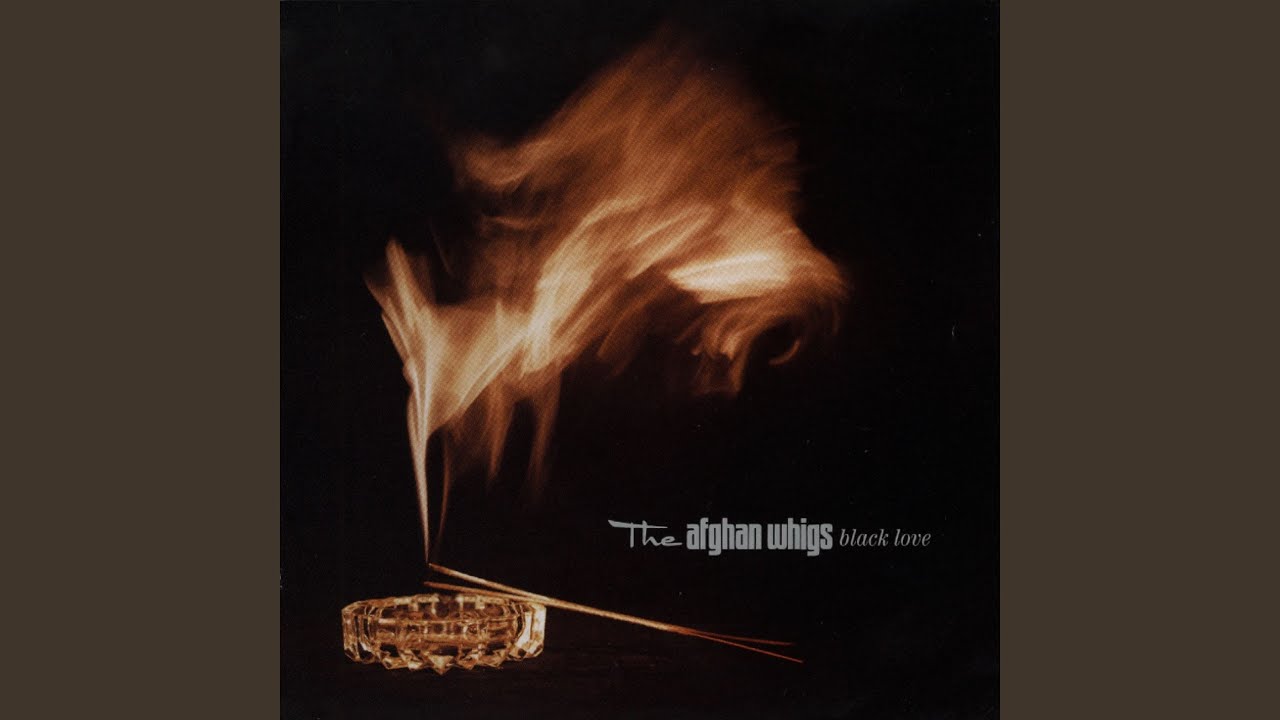
Can’t exactly remember this far out, but this is going to be one of my picks, maybe even all the points it received. And that’s because it’s an incredible album. Number 4 in my top 100 albums list, which means it’s the best album that ever came out of the USA. This is what I wrote then;
This is an album I missed at the time. It came out in 1996, but I didn’t hear it until the early 2000s, thanks to someone I worked with championing the band in the pub one long night. Big thanks to Ryan, wherever you are now, because it’s become an all time favourite of mine, and the Whigs have turned out to be one of my favourite bands.
The one line pitch is 90s alt rock, but made by men who were really into vintage soul and funk. It’s influenced by Norman Whitfield as much as it is the usual rock canon suspects, giving us a blend of caustic rock and lush soul. Frontman Greg Dulli wrote the whole record, and his constant subject matter is those entwined perennials, love and crime. His vision of love isn’t all hearts and roses, but a twisted destructive thing, powered by jealousy and revenge. It’s a great vocal performance throughout, a tortured howl of vengeance, self loathing and remorse. The sleeve notes are all couched as if this were a film (“Shot on location at…” instead of “recorded at”, etc) and fittingly so, for this is classic noir, drawing on the same vein of crime movie iconography that inspired so much hip hop around this time (lyrically at least this could be a hip hop record, full as it is of street level storytelling around the grimier seams of life).
It kicks off with the absolutely perfect opening 1-2 of the scene setting slow burn of “Crime Scene, Part One”, which is a strong contender for best track one side one ever, into the howling rage of “My Enemy”, but in truth there isn’t one bad song here. The music deepens the straight ahead rock band format of the Whigs’ previous albums with keyboards and strings, allowing Dulli to indulge his symphonic soul leanings - check the intro to “Blame, Etc”. It’s all powerful, punchy and emotive, culminating in the epic “Faded”, which is a song that to this day should be closing stadium gigs in front of a lighter waving crowd, half of whom weren’t even born when it came out.
But that was not to be. ‘Black Love’ is an fantastic record but one that wasn’t the hit it should have been (to be fair, when your lead single opens with the line “got you where I want you, motherfucker” you can’t really expect a whole heap of radio play). The band broke up after one more album (the also excellent ‘1965’). Dulli has reactivated the name in recent years and put out some records that are really good on their own terms, but not reaching these heights. I fear this album is now largely forgotten, but if you know, you know.

 Black Love always felt more dirty and sweaty than Gentlemen!