Love it - 10
Also love Tubular Bells and look forward to being the only person to mark it above 1
Love it - 10
Also love Tubular Bells and look forward to being the only person to mark it above 1
Yeah was doing my head in a bit. A lot of chat on forums that the mono version is just a ‘folddown’.
Anyway I’ve found this version on YouTube
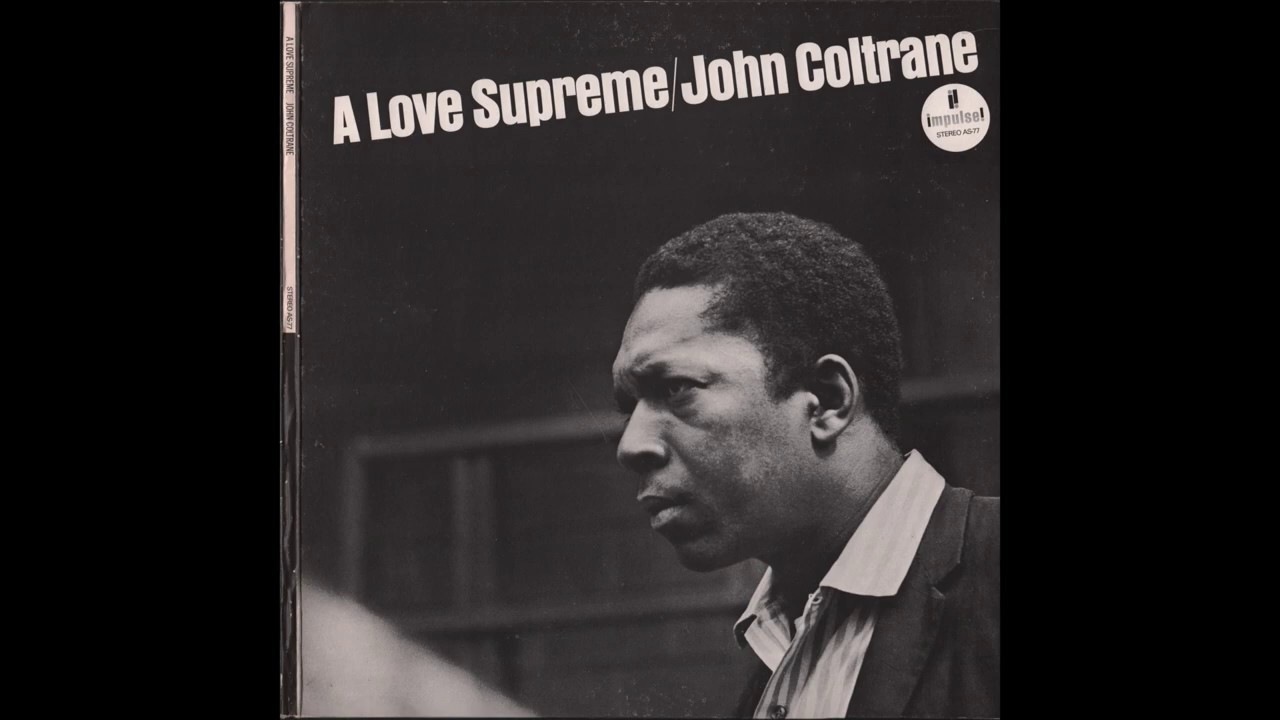
which isn’t MONO but sounds quite big more centralised. Not sure if it’s on the original record or the person who uploaded it has just mixed the two channels together significantly.
I note that the ‘Complete Masters’ version on Spotify has the Mono Reference Master for Parts III and IV
So maybe Parts I and II got lost 
If Tubular Bells comes up then I too will be marking it highly.
Although I actually prefer the Orchestral Version because that’s the one I first heard. It’s obviously fairly ‘basic’ of me as it’s fully in the film soundtrack score area but hey ho. Not on Spotify (I think because Oldfield wasn’t a fan in the end) but you can hear the first side here, courtesy of some YouTuber

(I have a CD somewhere and the MP3s I made uploaded to YouTubeMusic.)
Thanks. I’ve found the version below which is mono but from the description it seems like it’s a ‘fold down’. It’s good enough for me though. I will of course have to play the Spotify version at the same time to keep my last.fm stats accurate
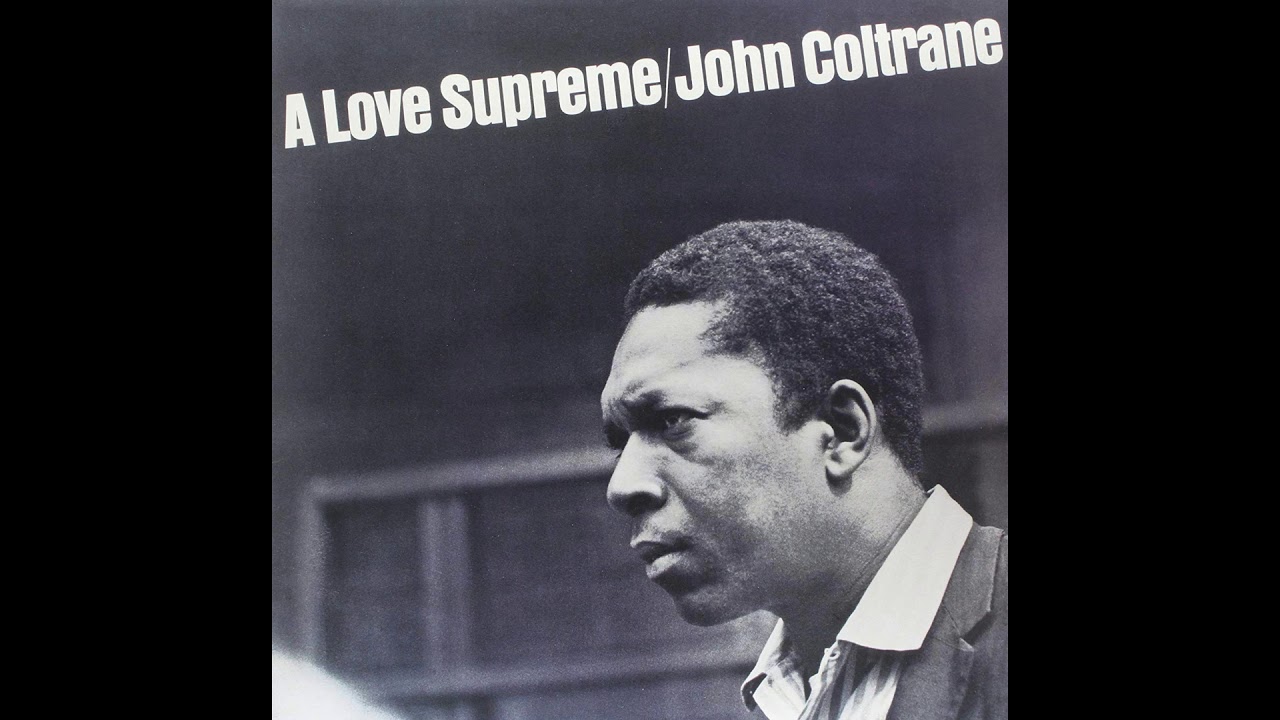
Can you explain what this means?
I’ve seen the terms Folded and Unfolded used in relation to digital music but have never been able to find an explanation as to what these terms mean. Is it the same thing here?
I can’t actually, the first time I’ve seen it used was in @1101010’s post! But I did a quick search and it seems to mean that it’s where the stereo version has been ‘mono-ised’ (rather than being made from a true mono master) but I couldn’t tell you the details of how that is done
Cheers!
This is quite weird isn’t it. 1965 so I’d have presumed it was recorded in mono but it seems like the original pressings were both mono and stereo. So is it that the original mono was this Folded stereo version or is it that the mono original has maybe degraded so now all copies (even mono) are actually from the stereo version?
Probably one for a different forum!
I’m pretty ignorant when it comes to how music is recorded and mastered, what actually happens in mastering? Can both a stereo and mono master be produced from the original recording or does it have to be one or the other? I’m guessing with the amount of stereo remasters from things that were originally released in mono it’s the former
Yeah I have no idea!
I assumed the former as well. Which makes the lack of a ‘proper’ mono for this even weirder doesn’t it?
It must be that the original tapes that the master is made from have been lost or degraded and now all that’s left is the stereo master. Or the owner of the original tapes is trolling all the ‘must listen to 50s and 60s jazz in mono’ types like me and not letting another mono master be made
I assumed from context it meant the Mono was made by just overlaying both stereo tracks without any new mastering to make it sound better.
If you mono a stereo in that way it can cause interference from competing waves AFAIK but in this case where the tracks are very separated I guess not?
TBF everything is recorded in mono. I mean even if you have 24 track recording each track is a mono recording.
Anyway @McGarnagle has been replying for ages so he’s about to set us straight.
Yes.
Stereo to mono first: This is really simple to do these days as every DAW (Ableton, Pro-Tools, Logic etc.) has a tool that will convert a stereo signal into a mono signal. It basically just takes the left and right channels and combines them into a single channel.
It’s often used as a means to check whether there’s enough space in a mix, or whether there’s too much crossover between instruments or sounds in a particular frequency range. In a stereo mix, you can get away with cramming quite a lot into the same frequency range, because you have the audio field and panning to play with. Say for example, you have two guitars and vocals operating in a similar frequency space, you can hard pan one guitar to the left, one to the right and put the vocal right in the middle and they might not sound like they’re tripping over each other so badly. It still wouldn’t be as good as it could be though.
Throwing everything down a single channel means that if loads of stuff is happening in the same frequency range it’ll probably sound mushy and indistinct. So an engineer might do that to work out what they should cut or boost from a particular instrument to help each part sound clear and that helps balance the mix.
Mono to stereo is a bit more complicated and as far as I know there are two ways to do it (though I suspect there’ll be an extra technical stuff that a proper pro engineer would know about and I as a nerdy amateur don’t).
First is if you have access to each of the instrument tracks for a song (e.g. drums on one track, bass on another, vocals on another etc.). If you have those then it’s simply a case of remixing them as you would any other stereo record as you can pan each individual recorded track. So for example a standard band setup might be drums down the middle with a little bit of spread to reflect that the hats are a bit more to one side than the kick for example); bass and vocals roughly down the middle; guitars left/right.
I think a lot of the early stereo recordings sound a bit rubbish because engineers hadn’t really worked out how to properly make use of stereo and place the listener ‘in the room’ with the musicians and were more trying to show off the new tech. Hence recording drums in mono and hard-panning them into a single channel, then popping everything else over the side.
The second way I know of is kind of creating a ‘false’ sense of stereo, where you kind of double then offset one version of the track with another, which tricks your ears into thinking there’s more space. With some clever tech you can do stuff like single out particular frequency ranges and spread them more in one direction or the other (or both, to make them sound wider). But ultimately you’re doing that to everything within that signal range, rather than specific instruments.
Like I said, probably some extra ways of doing things that I have no idea about, but I think that probably covers the main ways of doing it.

Haha, yeah, he’s still replying. Wish i could delete all my posts now with the slapping down that’s coming
I think we’re all sorry that I wrote that post tbh.
Anyway, how’s about that A Love Supreme, huh?
Great album. 10/10.

I mean no one listened with headphones and also I don’t think having your speakers against the wall facing you was necessarily standard either.
I mean from photos and vague recollections of my extreme youth, having a speaker in each corner wasn’t unusual. So I think this is where this sort of extreme Beatles style stereo came from.
This was definitely the case in my folks house when I was a young’un
i think there was also a sense early on that stereo was a gimmick and wouldn’t be around for long, which is why they went so extreme with panning and whatnot. obviously mono disappeared and these wacky mixes survived.
i kinda love some records like that though, scott walker manages to make drum kit in one speaker and orchestra in the other work somehow.